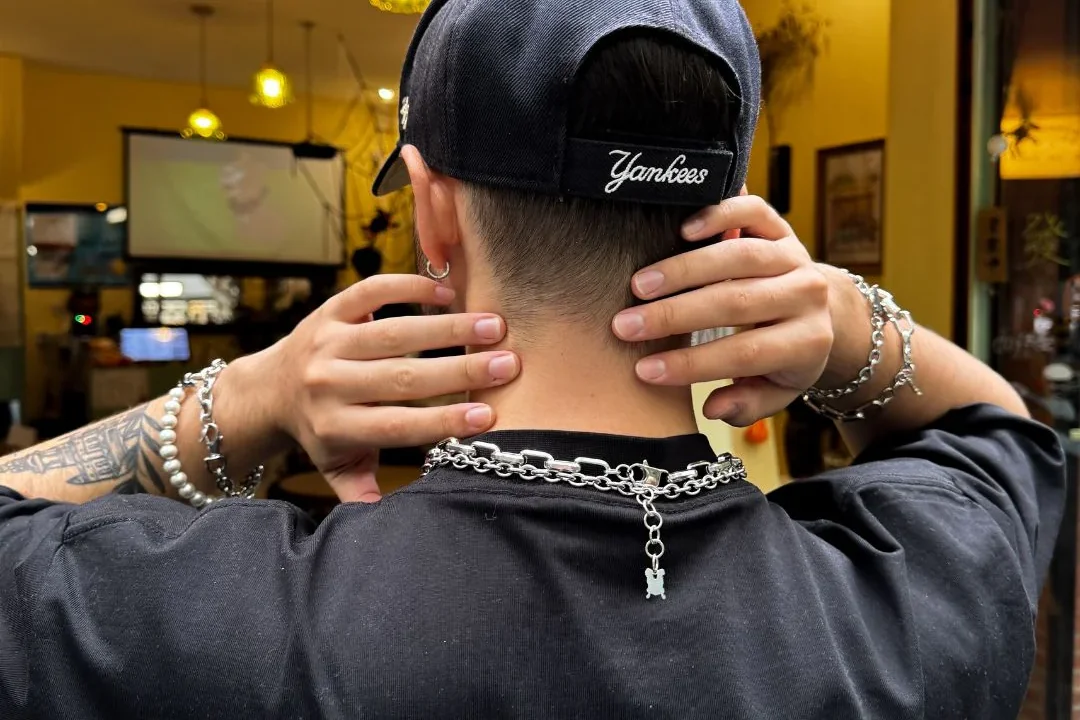
Does Stainless Steel Tarnish Over Time? What Happens After Years of Wear
The short answer is no, not the way silver or copper does. Stainless steel doesn’t darken, doesn’t form that grey film, doesn’t need polishing every few weeks. But “does stainless steel tarnish” is a fair question, because after years of daily wear, most pieces don’t look the way they did on day one. The change is just not what people expect.
Why it resists in the first place
The metal contains chromium, usually 10.5 percent or more. When the surface meets oxygen, the chromium forms a thin oxide layer that blocks corrosion. Scratch it, and it re-forms on its own. That’s the whole trick, and it’s why stainless steel stays bright while silver turns black in a drawer.
What that means in practice: tarnish, in the true sense, rarely happens. What does happen is slower and easier to fix.
A common worry is green or black marks on the skin. That usually isn’t the stainless steel. It’s plating, copper in the alloy, or a reaction between sweat and the surface. Real 316L doesn’t stain skin that way. If a piece leaves marks, the problem is the material, not the years.

What years of wear actually look like
Dullness comes first. The mirror shine fades, not because the metal is reacting, but because micro-scratches scatter light. Hard water leaves white spots. Soap scum, sunscreen, lotion and sweat build up in the crevices of a pendant or chain, and that residue darkens over time. Most people mistake that buildup for tarnish. It wipes off with warm soapy water and a soft cloth.
Then there are the scratches. A ring worn every day will pick them up no matter what you do. A brushed finish hides them well. A mirror finish shows every one. That’s not a defect; it’s the honest record of a piece that got used.
When stainless steel actually corrodes
It can happen, just not from normal wear. The protective layer breaks down in the wrong conditions: long exposure to salt water, chlorine pools, harsh acids, or sustained heat above a few hundred degrees. When that happens you may see pitting, small brown or rust-colored spots that don’t wipe off. Once pitting starts, it’s hard to reverse, and the spots usually win the argument.
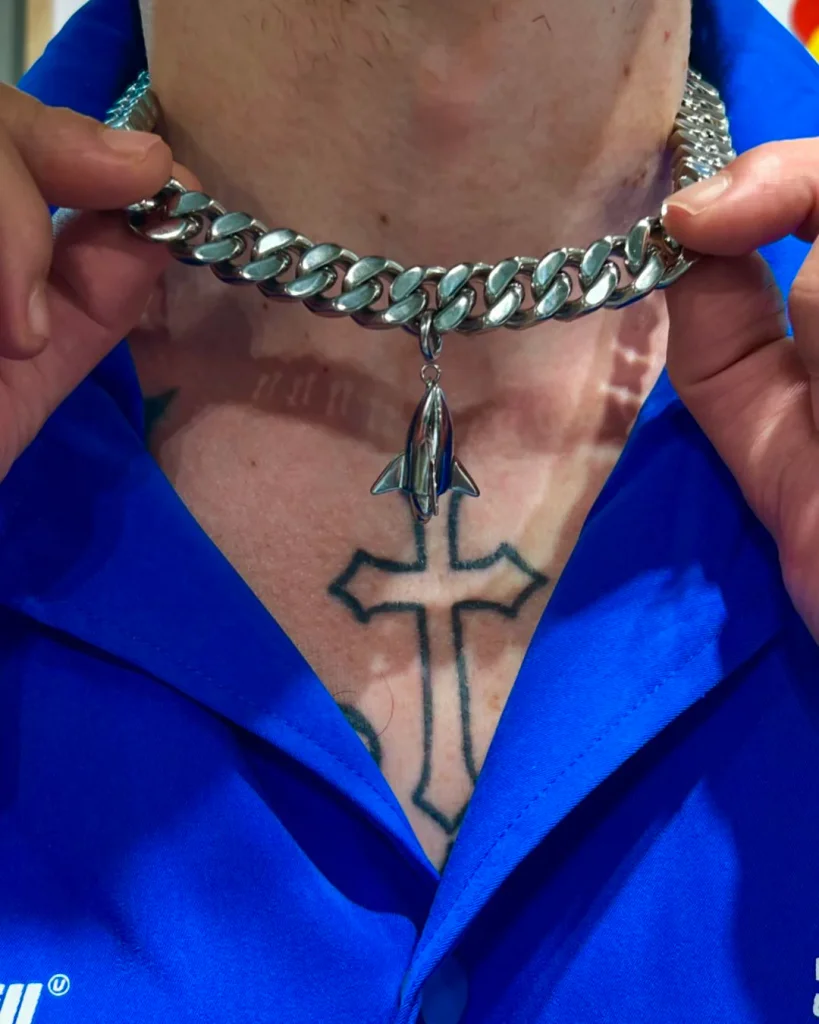
Grade decides how much abuse the metal takes. 316L, the surgical grade, adds molybdenum and shrugs off salt and sweat better. 304 is fine for most jewelry but gives up sooner near seawater or chlorine. Cheap pieces with no grade stamped at all are a gamble. That’s why the label matters more than the price tag.
Care that actually matters
You don’t need a ritual. Rinse with warm water, wash with mild soap, dry with a cloth. Skip abrasive pads and metal polish, which strip the protective layer faster than wear does. Take the piece off before swimming in chlorinated water or a long day at the beach. That’s basically it.
So does stainless steel tarnish over time? Not in the way people worry about. It dulls, it scratches, it collects residue that looks like tarnish until you clean it. But the metal itself holds up for years, and that’s more than you can say for most of the jewelry in your drawer.