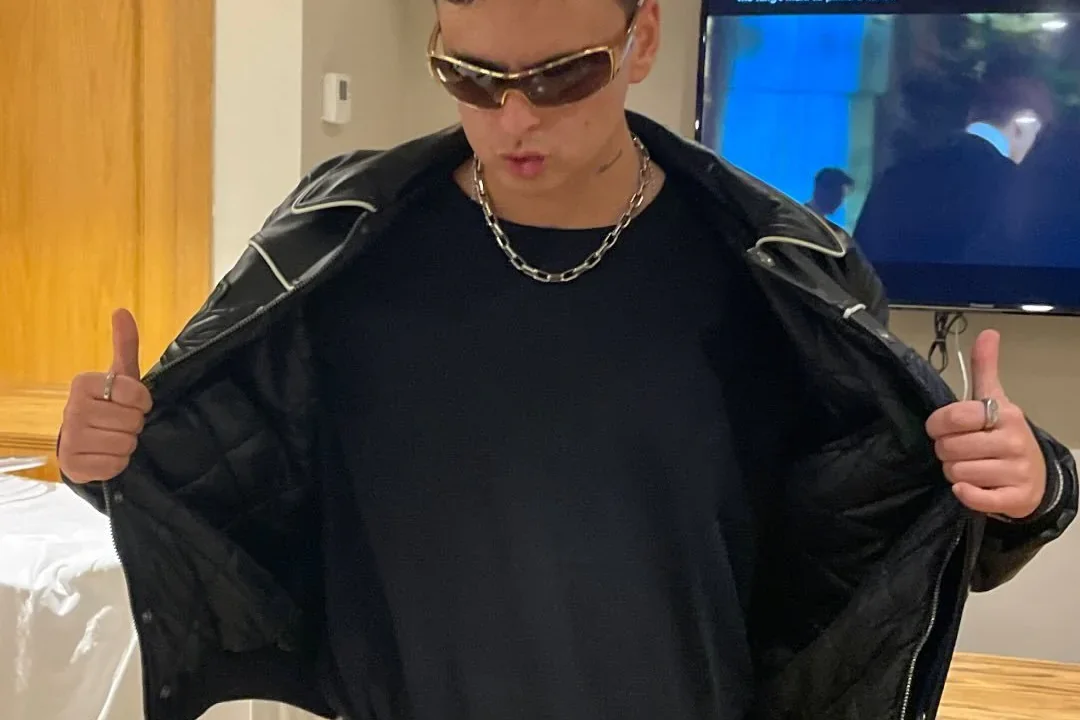
Custom Stainless Steel Jewelry: Engraved Pieces Made to Last
Most custom jewelry dies a slow death. The engraving fades, the plating flakes, the metal turns your wrist green within a month. Stainless steel jewelry doesn’t do any of that, which is why it owns the custom category.
Here’s what actually matters when you shop for engraved stainless steel pieces.
Why stainless steel holds up where other metals don’t
The grade matters more than most listings admit. Look for 316L surgical stainless steel. It contains molybdenum and nickel, which is what keeps it from rusting, tarnishing, or reacting to sweat. That’s not a marketing line; it’s the same stuff used in medical implants and watch cases.
Cheaper grades, usually labeled just stainless steel with no number, corrode faster. You won’t see it in the first week. You’ll see it in the first summer, when the metal dulls and the engraving collects grime.
What makes a good engraving
This is where most custom pieces go wrong. Machine engraving on a thin pendant looks sharp in photos, then wears flat after a few months of daily wear. You want deep laser engraving or hand-engraved work on a piece thick enough to hold it. Ask for the thickness. Under 2mm, a pendant loses detail fast.
Also check the finish. Brushed hides scratches; mirror shows every fingerprint but photographs better. Pick based on how the person lives, not how the listing looks.
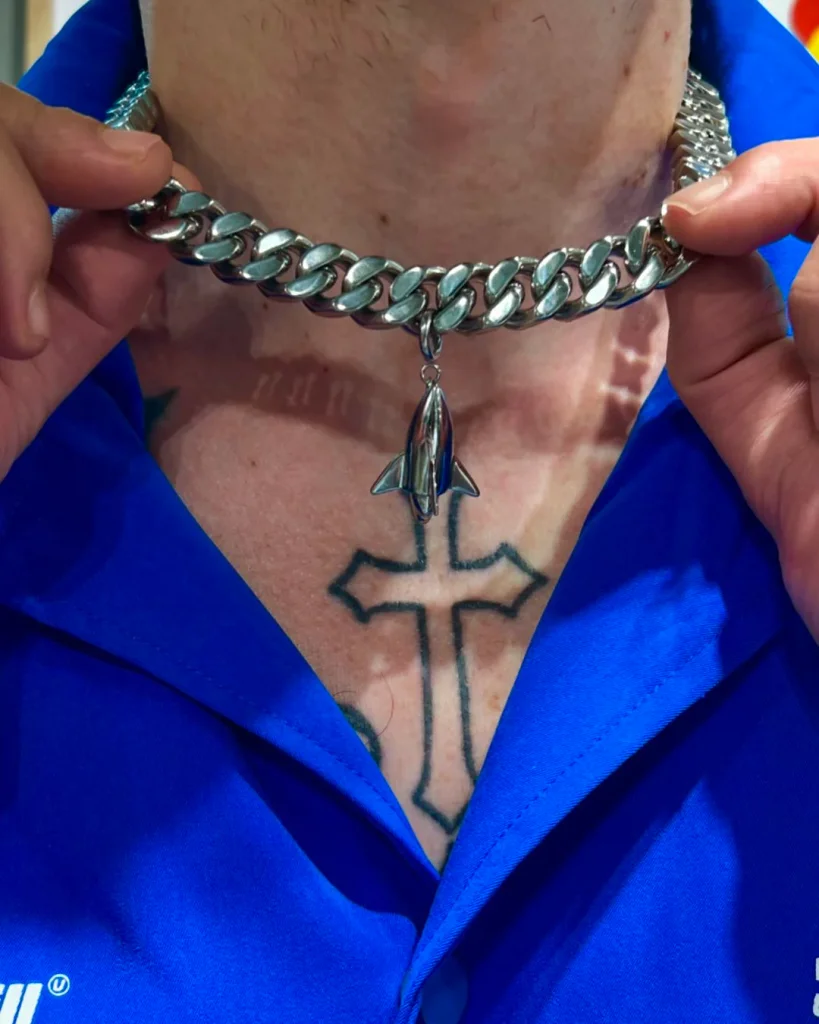
What you’re actually paying for
With custom stainless steel jewelry, you’re paying for three things: the base material, the engraving quality, and the proof. A good shop shows a mockup before cutting, names the metal grade, and has a policy for engraving mistakes. If a seller can’t say what grade of steel this is in plain language, move on.
Prices vary wildly for the same look. Cheap doesn’t always mean bad, and expensive doesn’t always mean good. What costs money is the engraving depth and the finishing work. If two listings look identical but one costs half as much, the difference is usually steel thickness or plating. Skip plated pieces entirely for engraving. The design should be part of the metal, not a layer on top of it.
Care is simpler than you think
Stainless steel jewelry doesn’t need the babying that silver does. Soap and warm water, dry it with a cloth, done. Avoid harsh chemicals and chlorine pools for long stretches. No polishing cloths, no special storage, no tarnish anxiety. This is the real selling point for engraved pieces: the engraving doesn’t fade because it’s not painted on. It’s cut into the metal.
The short version
If you want custom stainless steel jewelry that lasts, buy 316L, ask for deep engraving on thick metal, and buy from a shop that can tell you what you’re getting. Skip the plating and the mystery alloys. The piece that lasts isn’t the one with the prettiest listing. It’s the one made to be worn every day, and stainless steel is one of the few materials that genuinely is.