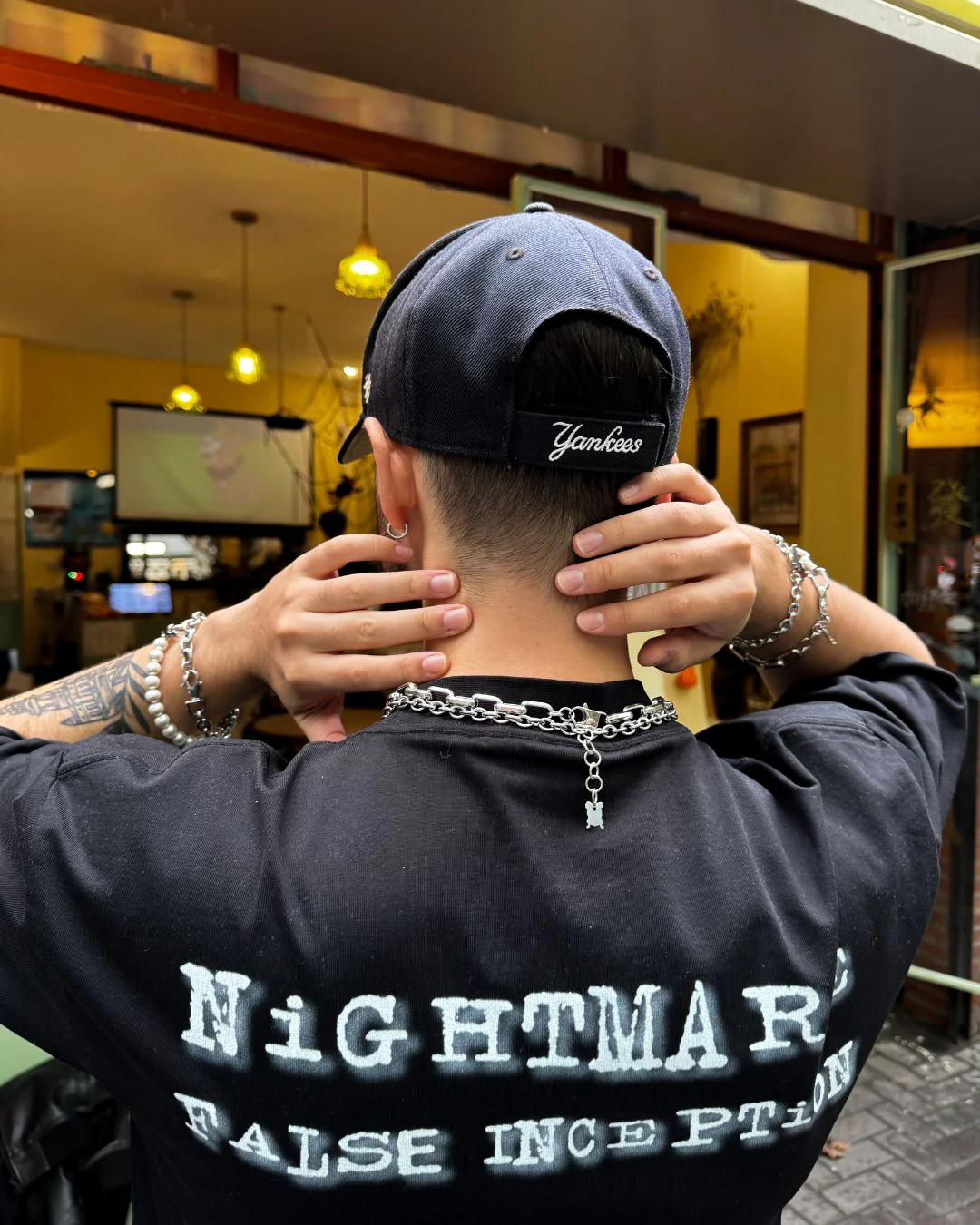
The Complete History of the Cuban Link Chain: Origins and Cultural Impact
Introduction: The Iconic Status of Cuban Link Chain
The Cuban link chain is one of the most recognizable jewelry pieces worldwide. It dominates modern street style and classic accessory collections. This cuban link jewelry blends vintage texture with trendy modern aesthetics. It appeals to casual wearers and fashion enthusiasts alike. Many people love its sleek shape and durable metal structure. This article explores the true origins and cultural journey of the Cuban link chain. It also tracks how this iconic piece evolved into a global fashion staple.

The True Origins of the Cuban Link Chain
Many fans misunderstand the birthplace of the Cuban link chain. The design did not originate purely from Cuban local craft. Early chain prototypes first appeared in European jewelry markets. Craftsmen created flat, interlocking metal links for daily wear. These basic chain styles traveled to Cuba in the early 1900s. Local artisans revised the link shape for a smoother, flatter finish.
Traditional European chains featured rigid and bulky link structures. The early Cuban style added soft curves and tighter connections. This simple upgrade improved comfort and visual elegance. Local Cubans wore the chain for daily decoration and small ceremonies. The unique design gradually formed its independent style features. It slowly separated from ordinary European curb chain designs.
Development and Evolution of Design
The Cuban link chain has gone through multiple design updates over decades. Early versions had thin links and relatively loose connections. Modern craftsmen adjusted link thickness for better durability. They also optimized arc angles to fit neck curves perfectly. These changes laid the foundation for today’s classic styles.
The biggest milestone is the birth of the Miami Cuban chain. It features thicker links and tighter spacing than standard styles. Miami Cuban chain delivers a bolder and more three-dimensional visual effect. Standard Cuban links remain slim and suitable for low-key daily matching. Different eras added polished, matte and textured surface treatments. These rich choices expand its fashion application scope greatly.

Cultural Integration in Hip-Hop and Street Fashion
The hip hop cuban chain rose to fame thanks to modern street culture. It stayed as a niche accessory before the 1980s and 1990s. Hip-hop artists began wearing it for stage performances back then. The shiny metal texture matched the bold attitude of hip-hop culture.
Famous rappers and street fashion leaders boosted its global popularity. The Cuban link chain became a symbol of confidence and personality. It represented freedom, trend awareness and self-expression for young people. It broke gender limits and became popular among all groups. It successfully transformed from regional jewelry to a global cultural symbol.
Modern Popularity and Universal Wear Value
Today’s Cuban link chain owns strong universal wear value. It supports unisex matching for men, women and teenagers. It fits daily commutes, parties and casual street looks perfectly. Brands continuously upgrade materials to meet diverse user needs.
Stainless steel Cuban links resist tarnish and daily scratches well. Iced out styles add luxury for formal and trendy occasions. Light slim versions suit minimalist daily outfits greatly. Thick classic styles highlight unique personal fashion tastes. Its high compatibility keeps it popular in the jewelry market all year round.

Conclusion: Timeless Appeal of Cuban Link Chain
The Cuban link chain carries a long history and rich cultural meaning. It evolved from revised European chain prototypes to a trendy icon. It absorbed local Cuban craftsmanship and modern street fashion culture. Continuous design optimization keeps it fresh across different eras.
This cuban link jewelry balances classic texture and modern fashion sense. It has stable quality, diverse styles and high matching flexibility. It is no longer a simple metal accessory in modern society. It remains a timeless piece that combines craft, culture and personal style.